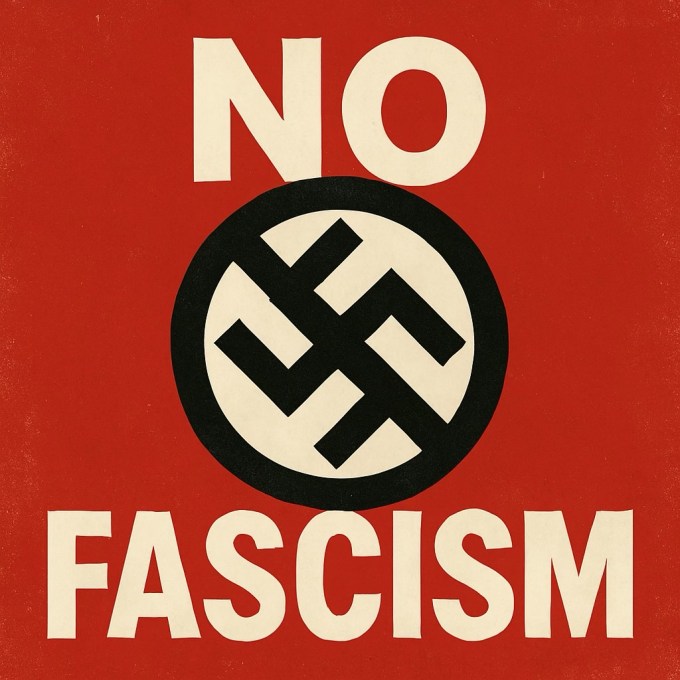
Let’s get something straight up front: immigration enforcement is a thing. A country gets to have borders, laws, and processes. Fine.
What’s not fine is when enforcement starts looking like a domestic occupation, accountability starts evaporating, and elected leadership starts flirting with “emergency powers” like they’re a cute outfit you can throw on whenever the vibes are inconvenient.
And if you’re thinking, “Jesus, this sounds familiar” — yeah. History has a nasty habit of showing up in new clothes.
Minneapolis: when the “law and order” cosplay stops being funny
In Minneapolis, things have gone from tense to straight-up combustible in the span of days:
On January 7, 2026, an ICE officer fatally shot Renée Nicole Good, a U.S. citizen, during a confrontation tied to the Trump administration’s surge of immigration enforcement in Minnesota. Reuters reports video reviewed by them shows the officer fired as her car began moving past him. On January 15, 2026, Reuters reported another federal immigration officer shot Julio Cesar Sosa-Celis in the leg. DHS claims he attacked the officer with a shovel or broomstick; Reuters explicitly notes it couldn’t verify DHS’s account. Protest response escalated: crowds, tear gas, flash-bang grenades, arrests — and a federal presence described as armed officers in military-style camouflage with masks. Minnesota’s Attorney General Keith Ellison has said he’d challenge Insurrection Act moves in court and is already suing over the federal surge; the ACLU of Minnesota filed a lawsuit alleging racial profiling and warrantless arrests, including U.S. citizens being questioned/detained.
Now, I’m not here to claim every federal agent is out there twirling a mustache. But I am saying this is what it looks like when a government decides to treat civilians as the terrain instead of the people.
And then — because of course — we get the cherry on top: the President threatening to invoke the Insurrection Act to “put an end” to the protests.
“Overstepping mandate” isn’t a slogan — it’s the warrant problem
Here’s a detail that matters more than most talking heads will admit: what kind of warrant federal immigration agents are using.
Most immigration arrests are carried out under administrative warrants — basically internal paperwork issued by immigration authorities. AP’s reporting is blunt about the limit: these warrants can authorize an arrest but do not permit officers to forcibly enter private homes or nonpublic spaces without consent. Only judicial/criminal warrants signed by judges carry that authority.
Why does this matter?
Because when enforcement starts bleeding into entering private property, detaining people, or sweeping up citizens — you’re no longer arguing about “policy.” You’re arguing about constitutional boundaries.
And if you’ve ever wondered why people feel like the system has a “get out of consequences free” card… it’s not just vibes. Reuters has an explainer on how hard it is to sue ICE agents, including the limited routes available (like the Federal Tort Claims Act) and the steep barriers to personal liability.
So if you’re thinking, “Cool, but who watches the watchers?” — congrats, you’ve arrived at the actual plot.
Martial law: not a magic spell, but also not nothing
People keep yelling “martial law!” like it’s a button on the Resolute Desk labeled DO FASCISM.
Reality is messier, and that’s what makes it dangerous.
The Insurrection Act is the real lever being waved around. There’s even a requirement in federal law that before using troops under that chapter, the President issues a proclamation ordering insurgents to disperse.
But “martial law” specifically? The Brennan Center’s legal analysis says there are no existing federal statutes that authorize the President to declare martial law, and concludes that under current law the president lacks authority to declare it.
So no, the President can’t just declare “martial law” the way you declare bankruptcy or a cheat code.
But yes, the government can still do plenty of damage short of martial law — especially if it uses domestic troop deployment authorities, aggressive policing, and a crisis narrative to normalize extraordinary measures.
“We shouldn’t even have an election” — excuse me, what?
And then we get to the part where the mask slips, not on the agents — on the rhetoric.
In a Reuters interview, Trump said of the 2026 midterms:
“when you think of it, we shouldn’t even have an election.”
Now, legally? That’s not how any of this works.
Election timing for House races is set in federal law: the Tuesday next after the 1st Monday in November in even-numbered years.
And the Constitution is crystal clear that House and Senate terms end at noon on January 3.
Meaning: you don’t “cancel” elections and keep the same Congress. You trigger a constitutional crisis where seats expire and the system breaks in ways that nobody should be casually joking about.
So when people say, “They want martial law to eliminate the midterms,” here’s the honest framing:
Is there proof of a concrete, actionable plan to literally cancel midterms? Not in what’s publicly established. Is the rhetoric coming out of the White House treating elections as optional or annoying? Yes, and that should scare the hell out of anyone who likes democracy the way it is: regular, boring, and non-negotiable.
Why 1930s Germany keeps coming up (and why you shouldn’t hand-wave it away)
Let’s do the history piece carefully, because the point isn’t to scream “Nazi!” at everything and call it analysis.
The point is to recognize the pattern.
After the Reichstag fire, the Nazi government pushed the Reichstag Fire Decree (February 1933), which suspended constitutional protections — including freedom of speech, press, assembly — and removed restraints on police investigations. It enabled arrests of political opponents and allowed the central government to override state/local governments.
Then came the Enabling Act (March 23, 1933), which allowed the Reich government to issue laws without parliament’s consent — laying the foundation for the full Nazification of German society. Britannica describes it as enabling Hitler to assume dictatorial powers.
Notice what’s happening in those steps:
Create / exploit crisis Frame opposition as enemies of the state Expand emergency powers Crush accountability Make extraordinary rules feel normal
It wasn’t one dramatic villain monologue. It was a sequence of “temporary” measures that became permanent.
The rhyme: where the comparison hits — and where it doesn’t
Where it rhymes:
Militarized enforcement + crisis narrative: Armed federal officers in masks and camouflage, protests framed as “insurrection,” and threats to deploy the military domestically. Weak accountability: Even if someone wants to sue, the system makes it hard — and the bar for criminal liability is sky-high. Elections treated like a nuisance: Saying we “shouldn’t even have an election” isn’t policy; it’s a tell.
Where it’s different (and why that matters):
The U.S. still has courts, states suing the federal government, civil liberties groups litigating, and a federal system that can resist central control in ways Weimar Germany couldn’t once the emergency machinery took over.
And that difference is not a comfort blanket. It’s a responsibility.
Because systems don’t defend themselves. People do.
The bottom line
You don’t need to believe in some comic-book “grand plan” to see what’s happening here.
All you have to do is watch the incentives:
Escalate enforcement Trigger backlash Call the backlash “insurrection” Threaten extraordinary powers Shrug at accountability Joke about elections like they’re a seasonal menu item
That’s not “strength.” That’s how a government tests whether the public will accept democracy as optional.
And if history teaches anything, it’s this:
The first time someone treats rights like a privilege, you don’t negotiate — you document, you litigate, you organize, and you vote like your life depends on it.
Because eventually it does.



 Obtuse Enlightenment